
Until recently I used to own the Canon EF 50 mm 1:1.4 USM prime lens. The image quality of the lens is really good but with my Canon EOS 700D I frequently encountered auto focus issues. Sometimes I needed to take several photos in order to get one with the focus being on spot. To avoid this problem I used to focus manually whenever I could. In the end though I was tired of the focusing troubles, contacted Canon and asked them what it would cost to calibrate the lens. They told me it would cost CHF 120.- per lens which is a third of the price of a new EF 50 mm lens plus it would take anything between 2 – 3 weeks before I’d get my camera and lens back. This was not an option so I decided to sell the lens on ebay and get a new 50 mm prime lens. Read in this post why my new 50 mm prime lens is actually a 45 mm.

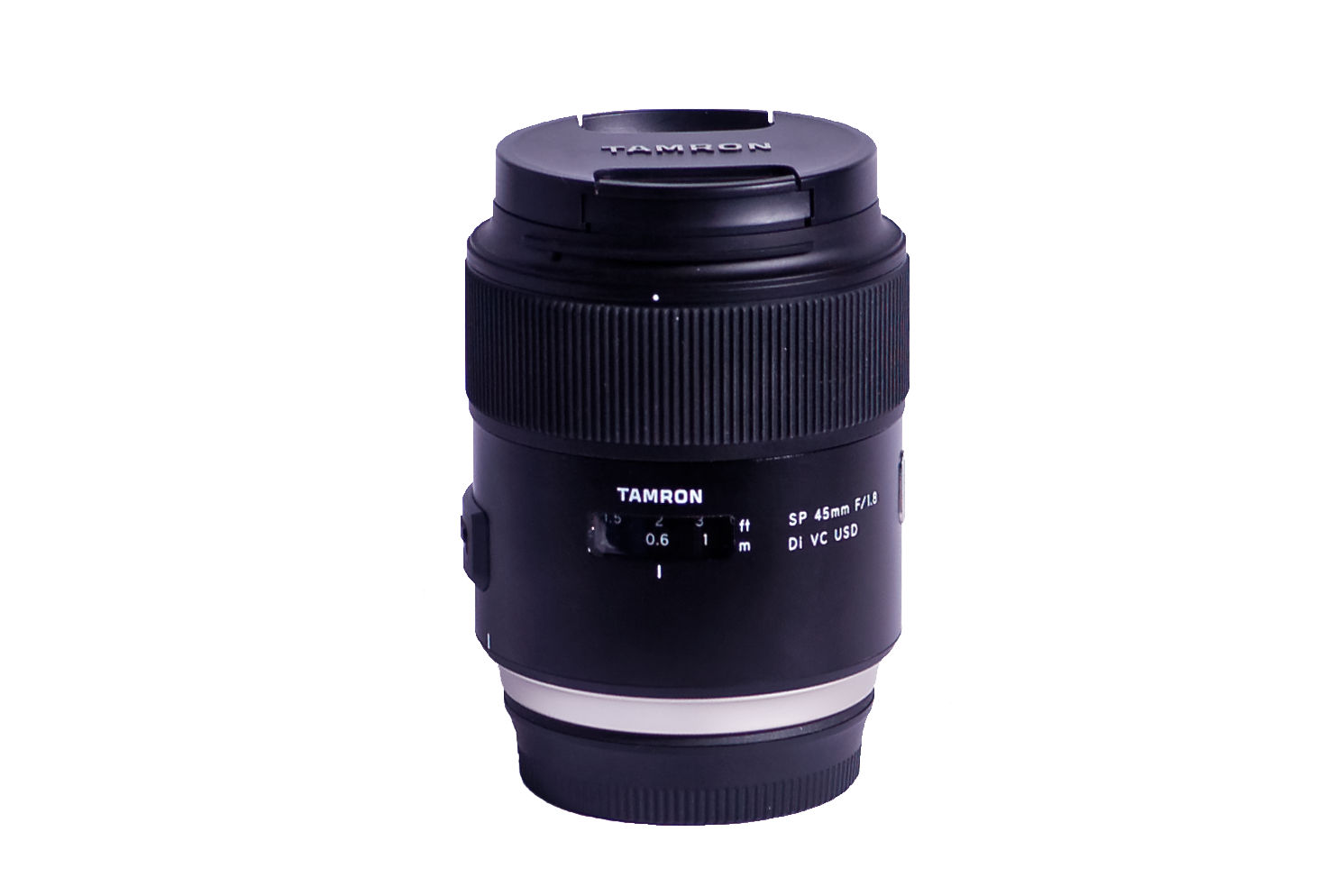
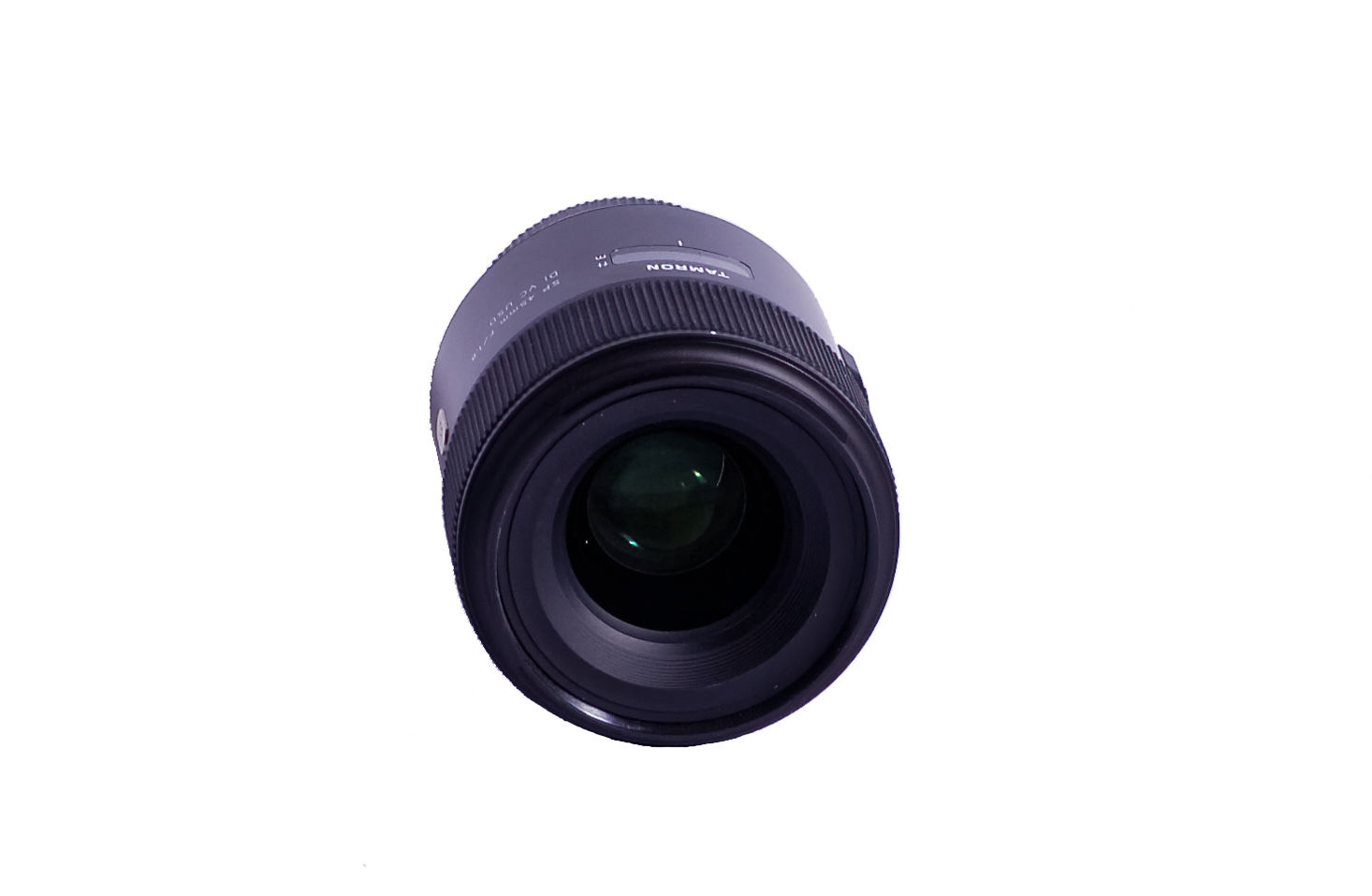
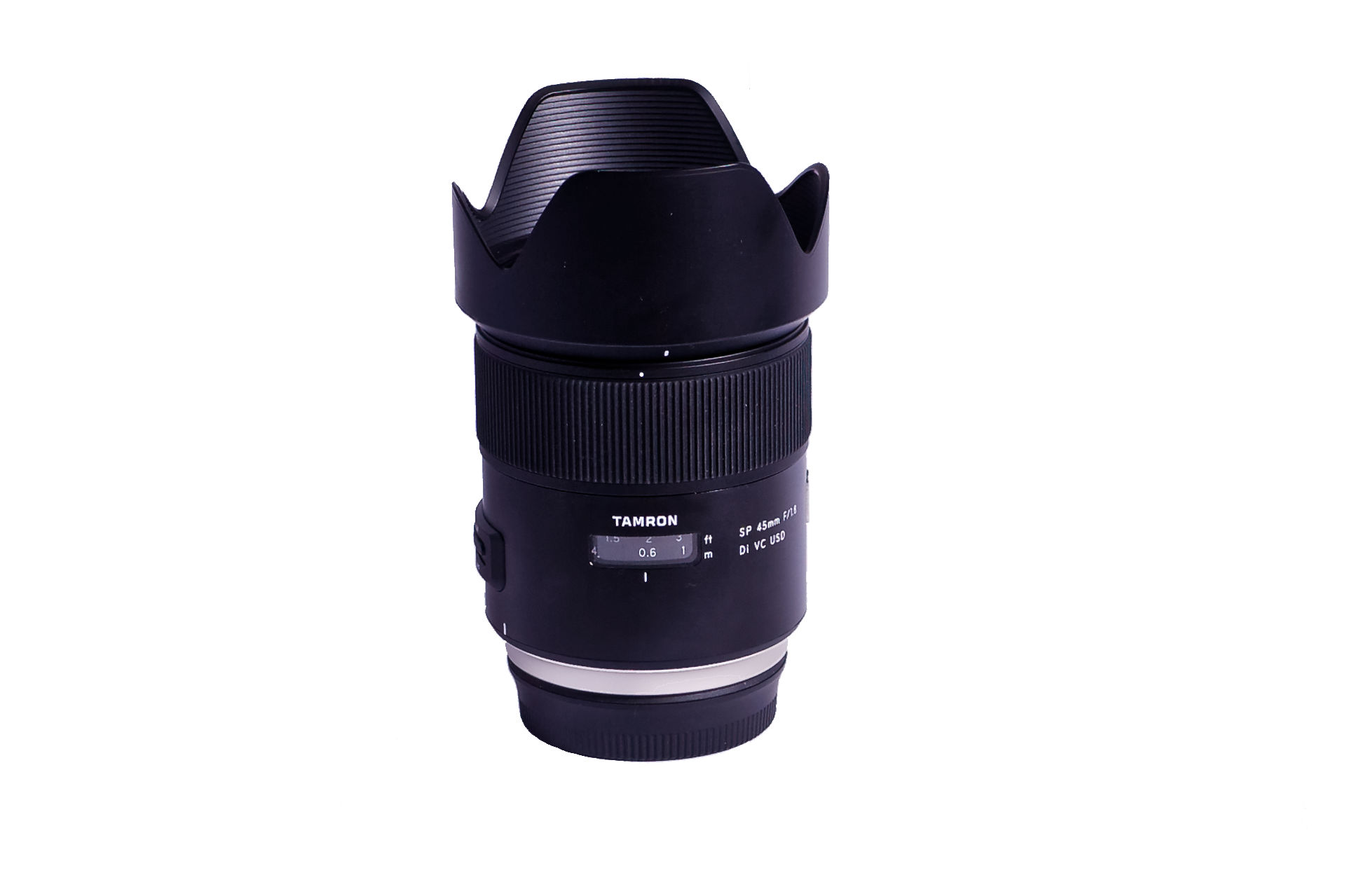
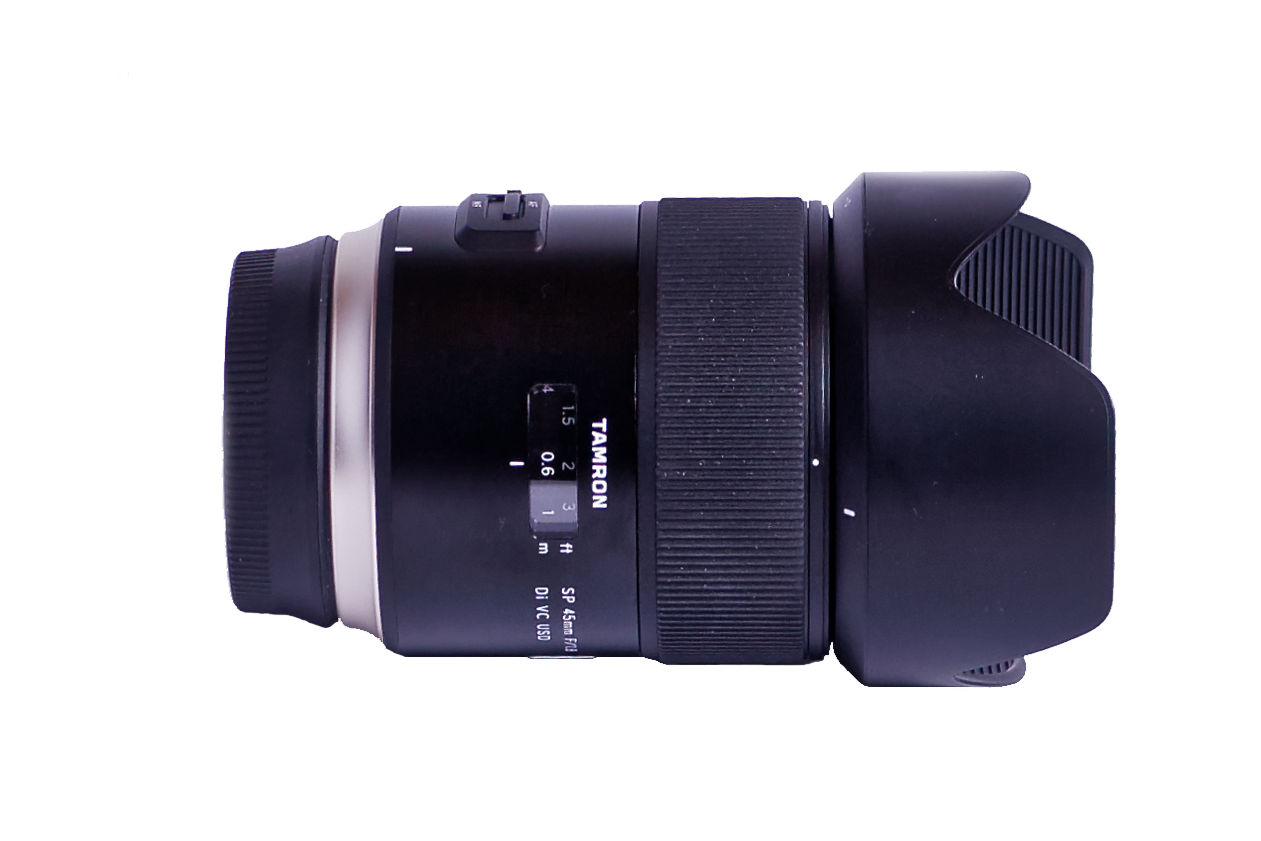
I started my research for a new 50 mm prime lens and soon found out that I would have to choose between the Sigma 50mm f/1,4 DG HSM Art and the Tamron SP 45mm f/1.8 DI VC USD. Both lenses are more expensive the the Canon 50 mm but this is clearly justifiable because they both are newer and simply better lenses. The Sigma, being the most expensive option, is said to be one of the sharpest 50 mm lenses available and according to several reviews produces nice bokeh with its maximum aperture of 1.4. The Tamron 45 mm on the other hand has a unique feature in this segment, it comes with image stabilization. What’s more its focal length is slightly shorter which could be an advantage when used with a crop camera such as the Canon EOS 700D I own. But to be honest those 5 mm do not make that much of a difference, times 1.6 (Canons crop factor) this means a reduction of 8 mm in focal length.
Getting a new Canon 50 mm prime lens (EF 50 mm 1:1.4 USM) on the other hand was not an alternative for me despite the fact that it’s performance apart from the focusing issue (which could have been solved by having it calibrated) was pretty good. But the Canon 50 mm 1:1.4 just not up to today’s standards anymore. The lens has not been updated for decades and lacks a lot of features, especially image stabilization. Canon should really release an improved version of this lens in order to become competitive again in this segment. Even the L version does not come with image stabilization which is a shame give it’s huge price tag.
Now back on topic, let’s quickly compare the specs and features of the Sigma and the Tamron lenses:
Sigma 50 mm
Tamron 45 mm
So while the Sigma is a “real” 50 mm lens and is a bit faster (max. aperture if 1.4 compared to 1.8) it’s also heavier, bigger and more expensive. The Tamron on the other hand is lighter, more compact and comes with image stabilization. But it is not a “50 mm” lens, its 45 mm focal length is 5 mm short (8 mm on a crop camera).
After a short period of deliberation about the two lenses I’ve come to the conclusion that the Tamron’s advantages are more important to me than the Sigma’s. Especially the image stabilization is very useful given the fact I often take photos in low light situations. 3.5 stops can make a huge difference when shooting hand held in low light situations and outweighs the small advantage of the Sigma with it’s max. aperture of 1.4 compared to the Tamron’s 1.8. That’s why my new 50 mm prime lens is actually a 45 mm and it’s built by Tamron.
Real life performance
I’ve already taken lots of pictures with the Tamron 45 mm and so far it has clearly lived up to my expectations. Most important the auto focus is spot on which means the rate of throw aways because of auto focus errors has significantly dropped. The only glitch with the auto focus is its speed which definitely isn’t the fastest on the market. But for my photos it’s fast enough so this is not an issue. On the other hand I already found myself in several situations where I really benefited from the image stabilization and thus was able to keep the iso values down for high quality shots in low light situations.
Build quality of the Tamron 45 mm lens is also very good, it feels very solid and the focus ring can be operated very accurately. But in this discipline I have to admit that the Sigma 50mm f/1,4 DG HSM Art is actually ahead of the Tamron. At least that was my impression when I held it in my hands in a store where they sell both lenses. Not that the build quality of the Tamron really needs improvement but the Sigma just feels a little bit better than the Tamron.
One important aspect of lenses is their weight and here I have to say that the Tamron 45 mm prime lens is heavy compared to the Canon EF 50 mm and it’s also a lot bigger. But that is far outweighed by the Tamron’s superior image quality and it’s image stabilization feature. And it’s still a bit lighter and smaller than the Sigma 50 mm which would have been the alternative for me. So if you asked me what 50 mm lens you should get for your Canon or Nikon DSLR I’d definitely recommend you to take a closer look at the Tamron 45 mm even though it’s no “real” 50 mm. And who knows, you might also end up buying a 45 mm instead of a new 50 mm prime lens.
P.S. This post solely expresses the experiences I made while looking for a new 50 mm prime lens and it should give you an idea why I chose the Tamron 45 mm over the Sigma 50 mm or the Canon 50 mm 1:1.4. It’s by no means a neutral review since I do not have the resources to conduct scientific lens tests. If you are looking for such tests just search the web for reviews, there are plenty of sites who have reviewed the Tamron, Sigma and Canon lenses. Some even offer comparisons between the three lenses.
thanks for informational post
You’re welcome. I’m planning to publish more content soon.